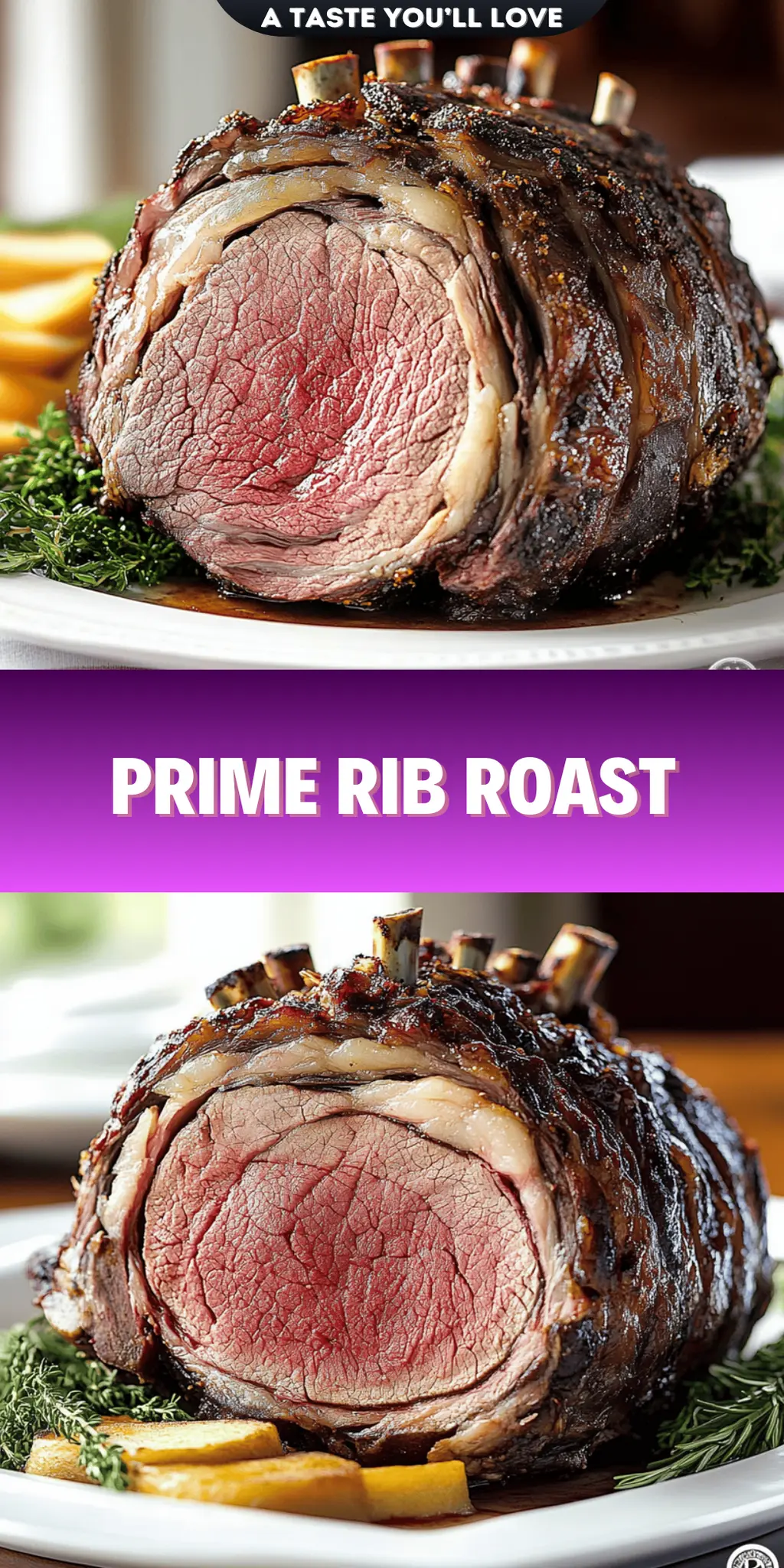
When the holidays roll around, or I simply want to bring the family together for a comforting dinner, there’s one dish that never fails to impress: Prime Rib Roast. The sound of a sizzling roast in the oven paired with the mouthwatering scent of garlic and rosemary infuses my kitchen with warmth, instantly lifting everyone’s spirits.
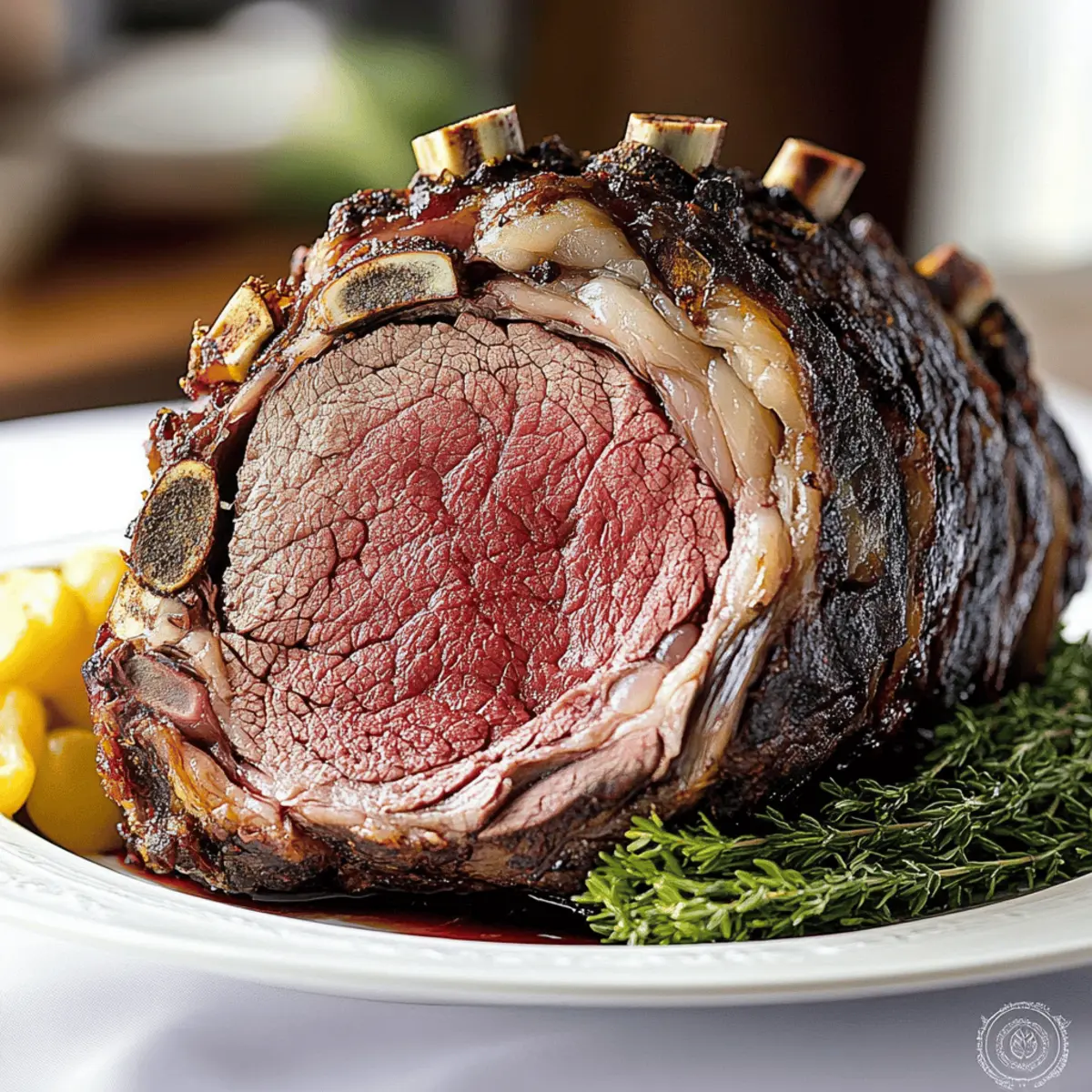
What I love most about this recipe is its incredible ease. With just a handful of simple ingredients, this succulent piece of meat transforms into a centerpiece that rivals any restaurant dish. After a long week, I find joy in preparing this meal, not just for its flavor, but for the delight it brings to those I love.
So, whether you’re celebrating a special occasion or just looking to elevate your weeknight dinners, let’s dive into the steps to create a perfect Prime Rib Roast that will have everyone gathering around the table, ready to savor every juicy bite.
Why is Prime Rib Roast so irresistible?
Simplicity at its finest: With just a few easy-to-find ingredients, you’ll discover that creating an impressive family feast is straightforward.
Incredible flavor: The rich garlic and fragrant rosemary blend perfectly to elevate the taste of the prime rib.
Versatile dish: Whether it’s a holiday gathering or a cozy family dinner, this recipe fits any occasion beautifully.
Crowd-pleaser: Its succulent texture and mouthwatering taste will have everyone coming back for seconds.
Time-efficient: With minimal prep and a hands-off cooking method, you can focus on enjoying your time with loved ones.
Prime Rib Roast Ingredients
• To craft this delightful Prime Rib Roast, gather these essential ingredients!
For the Roast
- Prime Rib Roast – A 5 lb piece will serve about six, ensuring everyone leaves satisfied.
- Garlic – 4 cloves, minced—this fragrant addition brings unforgettable flavor and aroma.
- Fresh Rosemary – 3 sprigs—adds a fresh, earthy note that beautifully complements the meat.
For the Seasoning
- Olive Oil – 2 tbsp—this not only helps the seasonings adhere but also enhances the roast’s luscious texture.
- Salt – 2 tsp—this essential seasoning brightens the meat’s flavor and balances the richness.
- Pepper – 1 tsp—freshly cracked offers a touch of heat that makes every bite delightful.
How to Make Prime Rib Roast
-
Preheat the oven to 450°F (230°C). Preheating is crucial for achieving a beautifully browned and flavorful crust on your prime rib, setting the stage for perfect cooking.
-
Pat dry the roast using paper towels. This step ensures that your seasonings stick well and allows for a lovely crust to form during roasting.
-
Rub the roast with olive oil, covering it evenly. Next, sprinkle minced garlic, salt, and pepper all over. The oil helps infuse flavor and keeps the meat juicy as it cooks.
-
Tuck rosemary sprigs around the roast or sprinkle chopped herbs on top for an aromatic boost. This fragrant addition enhances the overall flavor profile, making every bite a delight.
-
Roast the prime rib at 450°F for 20 minutes to develop a beautiful crust. Then, reduce the temperature to 325°F (165°C) and continue roasting until the internal temperature reaches 135°F (57°C) for medium-rare.
-
Rest the prime rib for 20-30 minutes before slicing. This resting period allows the juices to redistribute, ensuring a tender and juicy roast every time.
Optional: Serve with a side of horseradish sauce for an extra kick!
Exact quantities are listed in the recipe card below.
Make Ahead Options
These Prime Rib Roast preparations are a game-changer for busy cooks! You can season the roast up to 24 hours in advance (just cover it tightly with plastic wrap and refrigerate), allowing the flavors to deeply infuse into the meat. Additionally, you can chop the garlic and rosemary a day before to save even more time. On the day you plan to serve, simply remove the roast from the fridge, let it come to room temperature for about 30 minutes, and then proceed with roasting as per the recipe directions. This method keeps the roast just as delicious while significantly reducing your cooking workload when it matters most!
How to Store and Freeze Prime Rib Roast
Fridge: Store leftover prime rib roast in an airtight container for up to 3 days. Make sure it’s cooled before placing it in the fridge to maintain freshness.
Freezer: For longer storage, wrap the roast tightly in plastic wrap, then foil, and freeze for up to 3 months. This helps prevent freezer burn and preserves its flavor.
Reheating: When ready to enjoy again, thaw in the fridge overnight, then gently reheat in a low oven (250°F or 120°C) until warmed through. This method keeps the meat juicy and tender.
Restorative: For added flavor, consider slicing and reheating with a splash of beef broth or gravy for moisture and richness.
What to Serve with Prime Rib Roast?
Creating a delightful meal is easy when you pair your succulent roast with just the right sides.
- Creamy Mashed Potatoes: The buttery richness contrasts beautifully with the savory flavors of the roast, making every bite heavenly.
- Roasted Brussels Sprouts: Their caramelized edges and slight bitterness balance the richness of the prime rib, adding a delicious crunch.
- Garlic Bread: Warm, toasty slices infused with garlic provide a comforting addition that pairs perfectly with drizzles of savory meat juices.
- Classic Caesar Salad: The crisp romaine and tangy dressing offer a refreshing contrast that lightens the meal, leaving you feeling satisfied but not heavy.
- Horseradish Cream Sauce: A tangy, spicy dressing brings out the meat’s flavor, adding a punch that elevates each mouthful of prime rib.
- Red Wine: A glass of bold Cabernet Sauvignon enhances the rich notes of the roast, creating a luxurious dining experience that’s truly unforgettable.
- Chocolate Mousse: For dessert, this rich, velvety treat serves as an indulgent ending, balancing the savory meal with sweet satisfaction.
- Grilled Asparagus: Charred and slightly smoky, asparagus adds a lovely texture and freshness, inviting each guest to savor the essence of the season.
- Baked Sweet Potatoes: Their natural sweetness provides a pleasing contrast to the savory roast, while their soft texture complements the meat beautifully.
- Fresh Fruit Salad: A vibrant mix of seasonal fruits offers a refreshing palate cleanser, leaving guests feeling light and revitalized as they finish their meal.
Prime Rib Roast Variations
Let your creativity flow in the kitchen with these delightful twists on the classic Prime Rib Roast!
-
Herb-Infused: Substitute rosemary with thyme or sage for a different aromatic experience. Each herb brings its unique flavor to the roast, creating a lovely, fragrant twist.
-
Garlic Lovers: Increase minced garlic to 6 cloves for a bolder taste. This twist will result in a roast infused with even richer garlic flavor, perfect for those who can’t get enough!
-
Spicy Kick: Add crushed red pepper flakes to the seasoning for a hint of heat. This variation will uplift the dish, making it a delicious surprise for those who enjoy a little spice!
-
Citrus Zest: Mix lemon or orange zest into the garlic and oil rub. The citrus adds a refreshing brightness to the roast, balancing the rich flavors beautifully and tantalizing your taste buds.
-
Alternative Oils: Use avocado or grapeseed oil instead of olive oil for a unique flavor. Each of these oils will provide a different twist, enhancing the roast’s juiciness in exciting ways.
-
Smoky Flavor: Incorporate smoked paprika into your seasoning mix. This will lend a delightful smokiness to the roast, adding depth and complexity that will entice everyone’s palate.
-
Balsamic Glaze: Drizzle balsamic reduction over the roast before serving. This adds a sweet-tangy finish that elevates the entire dish, making it visually stunning and utterly mouthwatering.
-
Beer Braised: For a twist on cooking, consider braising the roast in a flavorful stout instead. This not only tenderizes but infuses the meat with a rich taste that everyone will savor.
Experimenting with these variations can make your Prime Rib Roast one-of-a-kind for every occasion!
Tips for the Best Prime Rib Roast
-
Temperature Matters: Always preheat your oven to ensure even cooking. Skipping this step can lead to an uneven crust and unpredictable doneness.
-
Rest the Meat: Let your Prime Rib Roast rest after cooking. This crucial step allows the juices to redistribute, resulting in a tender, juicy roast.
-
Use a Meat Thermometer: To achieve the perfect level of doneness, invest in a reliable meat thermometer. This helps avoid overcooking and keeps flavors intact.
-
Don’t Skip the Seasoning: Generously season the roast with salt and pepper. This not only enhances flavor but also creates a tasty crust that everyone will rave about.
-
Slice Against the Grain: When serving, always slice against the grain. This technique makes for more tender bites, enhancing the eating experience for everyone.
Prime Rib Roast Recipe FAQs
How do I choose the best prime rib roast?
Absolutely! When selecting a prime rib roast, look for one with good marbling, which refers to the fat interspersed within the meat. This fat is key for flavor and tenderness. Choose a cut that’s bright red with a firm texture and avoid any that have dark spots or unpleasant odors. If you can, ask your butcher for advice—freshness and quality make all the difference in a stellar roast!
How should I store leftover prime rib roast?
Very important! Store any leftovers in an airtight container once cooled to room temperature. They can be safely kept in the refrigerator for up to 3 days. For optimal flavor, try to separate the meat from any sides when storing. This way, you keep your prime rib as fresh as possible for your next meal.
Can I freeze prime rib roast, and how should I do it?
Yes, you can! To ensure your prime rib roast stays delicious in the freezer, first, allow it to cool completely. Then, wrap it tightly in plastic wrap and then in aluminum foil to prevent freezer burn. Label the package with the date, and it can last up to 3 months. When you’re ready to enjoy it again, thaw in the refrigerator overnight before reheating.
What’s the best way to reheat my prime rib roast?
Great question! For the juiciest outcome, preheat your oven to 250°F (120°C). Place your prime rib in a baking dish lined with a bit of beef broth or gravy for added moisture. Cover it with foil to retain heat. Reheat for about 20 to 30 minutes or until warm, maintaining that tender quality. Always check the internal temperature with a meat thermometer—aim for around 130°F (54°C) for adults enjoying leftover medium-rare!
Can I serve prime rib roast to my guests with allergies?
Definitely, but with caution! If you’re serving guests with food allergies, it’s best to clearly inform them of your ingredients. This recipe uses olive oil, garlic, and spices. While these are generally safe, always check for individual allergies, especially with garlic, as it can trigger reactions in some individuals. Consider having a simple herb crust without allergens if you’re unsure.
What should I do if the roast is overcooked?
Oh no! If you find your prime rib roast has been overcooked, don’t despair. Slicing it thinly against the grain can help make it easier to chew. Pairing it with sauces—like a rich gravy or a homemade au jus—adds moisture and flavor. You can also serve it with a side of horseradish sauce, which brings a punch that distracts from the dryness!
Juicy Prime Rib Roast: Your Easy Guide to Perfectly Savory Feasts
Ingredients
Equipment
Method
- Preheat the oven to 450°F (230°C).
- Pat dry the roast using paper towels.
- Rub the roast with olive oil, covering it evenly.
- Sprinkle minced garlic, salt, and pepper all over.
- Tuck rosemary sprigs around the roast or sprinkle chopped herbs on top.
- Roast the prime rib at 450°F for 20 minutes.
- Reduce the temperature to 325°F (165°C) and continue roasting until the internal temperature reaches 135°F (57°C) for medium-rare.
- Rest the prime rib for 20-30 minutes before slicing.